Ethereum privacy is getting a stronger push as AI and advanced data analysis make basic identity separation less effective. Ethereum co-founder Vitalik Buterin said he won’t give up on privacy and intends to strengthen it further.
Ethereum Privacy Must Go Beyond Hidden Names
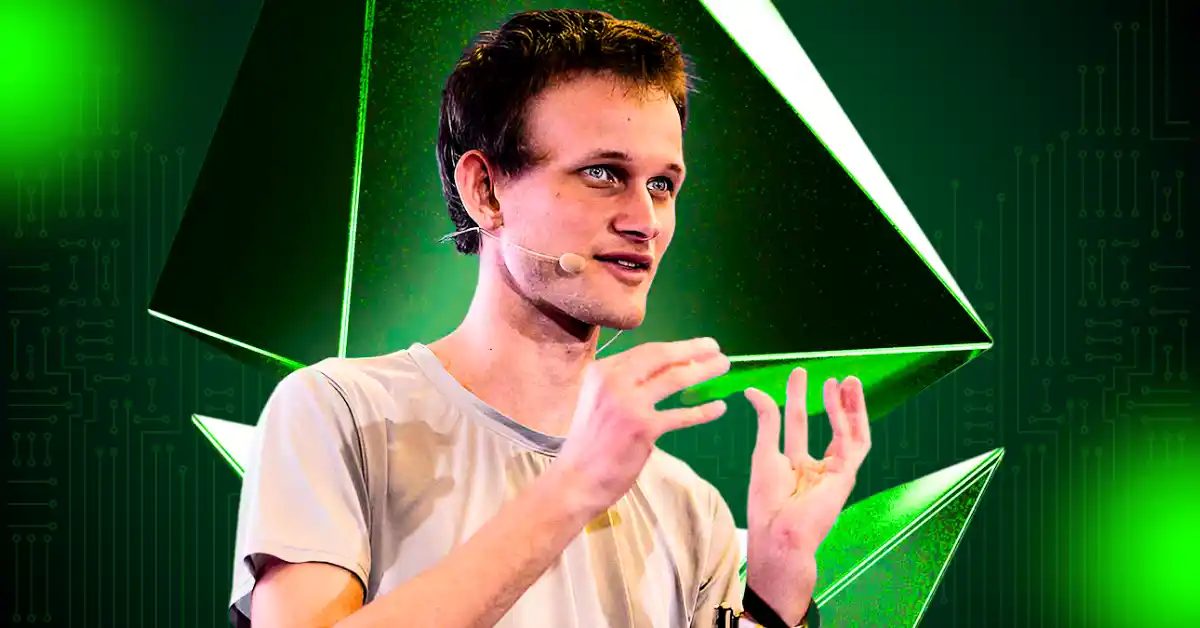
Speaking at the 12th Global Blockchain Summit on September 23, 2026, Buterin said keeping real names separate from transactions is no longer enough for onchain privacy in the AI era.
The issue is straightforward. Public blockchains expose transaction activity by default, while growing use by individuals, businesses and institutions increases the amount of sensitive financial information potentially exposed.
Balances, transaction history and other financial activity can reveal plenty even when a user’s real name isn’t directly attached.

Programmable Privacy Could Change Onchain Data
Buterin also pointed toward broader applications for blockchain beyond payments, with users demanding better performance and functionality.
Modern cryptography can extend privacy beyond protecting digital assets and toward protecting information itself. In that model, code could determine not only who is allowed to transfer assets, but also who can access specific information. That’s a considerably broader definition of Ethereum privacy.
Privacy Joins Ethereum’s Bigger Roadmap
Privacy is also being discussed alongside quantum security, native Rollups and scalable infrastructure as Ethereum moves toward its next phase.
The point isn’t simply to process more transactions. Ethereum’s expanding use means the network also needs mechanisms that make onchain activity safer and more private without abandoning on-chain verification.
For Ethereum privacy, the direction is becoming clearer: hiding a name may no longer be enough. The bigger goal is programmable control over financial and other sensitive information as blockchain adoption expands.
Was this writing helpful?
Story Ends Here
Trust with CoinPedia:
Investment Disclaimer:
All opinions and insights shared represent the author’s own views on current market conditions. Please do your own research before making investment decisions. Neither the writer nor the publication assumes responsibility for your financial choices.
Sponsored and Advertisements:
Sponsored content and affiliate links may appear on our site. Advertisements are marked clearly, and our editorial content remains entirely independent from our ad partners.
Read the Next News